Cats
Cats Dogs
DogsCan Dogs Eat Turkey? A Thanksgiving Plate Guide
The ASPCA says small amounts of lean cooked turkey, free of bones and seasoning, are okay for dogs. What the ASPCA and FDA warn about on the Thanksgiving plate, and what to do if your dog gets into the leftovers.


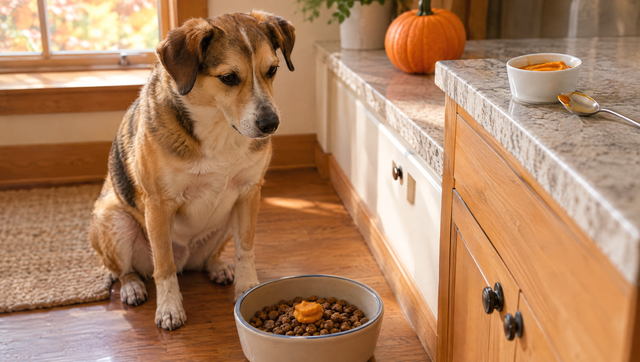
Can dogs eat turkey? The ASPCA says small amounts of lean cooked turkey are okay for dogs, as long as the meat is free of bones and seasoning. Its Thanksgiving tips add that turkey shared with pets should be boneless and fully cooked.
The same authorities warn about the rest of the plate: the bones, the skin and fat, the gravy, and anything cooked with onion or garlic. This guide goes through the holiday table one item at a time, with the reason each warning exists.
Which parts of the turkey can my dog have?
The ASPCA's guidance on foods to share says small amounts of lean cooked turkey are okay, as long as they are free of bones and seasoning. Its holiday tips call a small piece of boneless turkey a fine treat.
Cooking matters for a stated reason. The ASPCA warns that raw or undercooked turkey may carry salmonella bacteria.
The WSAVA's calorie figures use lean turkey breast without skin. If you'd like to share some, ask your vet which cut and how much suits your dog.
How much turkey is too much?
The WSAVA's guide to treats says all extras together should stay under 10% of a dog's daily calories. The ASPCA suggests a stricter limit, keeping snacks under 5% of daily calories.
Here's the surprising number. The WSAVA guide lists one ounce of lean, skinless turkey breast at about 50 calories, and puts the daily treat allowance for a 22-pound (10 kg) dog at about 47.
By the WSAVA's own figures, a single ounce already uses up a medium dog's extras for the day. Your vet can tell you what your own dog's allowance is.
Why are turkey bones dangerous for dogs?
The ASPCA warns that poultry bones can be a major choking hazard, and that cooked bones can splinter and puncture a dog's internal organs. Even small pieces can cause injury.
The FDA adds that bones can get stuck in a dog's esophagus, stomach or windpipe. Sharp fragments can also injure the mouth, esophagus and stomach on the way down.
The WSAVA's guide says bones, cooked and raw, can be very dangerous and cause significant damage when dogs chew or swallow them.
The FDA notes that dogs are notorious for helping themselves to the turkey carcass. It advises wrapping scraps and bones and putting them in a trash can your dog can't get into.
Is turkey skin or fat bad for dogs?
The FDA names skin from a roasted turkey or chicken as a scrap to avoid, along with fat trimmings from meat. It warns that rich, fatty foods can cause an upset stomach and pancreatitis.
The ASPCA gives the same warning: high-fat foods can lead to pancreatitis in dogs, an inflammation of the pancreas.
The Merck Veterinary Manual lists eating trash, large amounts of table scraps or other inappropriate food as a common risk factor for pancreatitis in dogs. Holiday meals can put several rich foods in front of a dog in one evening.
Which Thanksgiving foods should my dog skip?
The ASPCA and FDA point to several dishes cooked alongside the turkey. Here is what they warn about, and why.
- Stuffing and dressing. The ASPCA notes that onions and garlic turn up in many Thanksgiving dishes, and both can be toxic to pets. Our guide to can dogs eat garlic explains why powdered forms count too.
- Gravy. The ASPCA warns that bouillon cubes used for stocks and gravy are high in sodium, which can lead to gastrointestinal problems and even seizures.
- Anything with raisins or grapes, such as some stuffings, salads and baked goods. The ASPCA links grapes and raisins to kidney damage in dogs. Our list of what fruits can dogs eat covers the evidence.
- Raw yeast dough. The ASPCA says it can be toxic to pets: it can expand in the stomach and cause bloating, and the alcohol it produces is absorbed, leading to drunkenness and other serious side effects.
- Desserts with xylitol, a sweetener in some sugar-free recipes. The ASPCA says it can cause low blood sugar, liver damage or even death. The FDA notes it may be labeled birch sugar or wood sugar.
- Chocolate desserts. See how much chocolate is dangerous for a dog if a piece goes missing.
Can dogs eat sweet potato?
The ASPCA's own Thanksgiving tips suggest mixing a few pieces of turkey, sweet potato and green beans into your dog's usual dinner as a holiday extra.
A sweet potato casserole made with butter and sugar is a different dish. The ASPCA warns that fatty and sugary foods can lead to pancreatitis, so ask your vet before sharing any prepared side.
My dog got into the turkey. What should I do?
The ASPCA's advice is to call your vet or the ASPCA Animal Poison Control Center at (888) 426-4435. It helps to know what was eaten, roughly how much, and when.
Give them your dog's weight and the ingredients of anything eaten, especially onion, garlic, raisins or sugar-free sweeteners, since those are the foods the ASPCA lists as toxic.
Some problems take time to show. The Merck manual notes that signs of onion and garlic poisoning usually appear several days after the meal, so a dog who seems fine may still need a call.
Call your vet promptly if your dog:
- swallowed cooked turkey bones or chewed the carcass, which the ASPCA and FDA warn can splinter, lodge or puncture
- is gagging or choking after eating bones, which the ASPCA calls a choking hazard
- ate stuffing, gravy or another dish made with onion or garlic
- ate raisins, grapes, chocolate or anything sweetened with xylitol
- ate raw bread dough, or has a bloated belly
- shows loss of appetite, vomiting, weakness, abdominal pain, dehydration or diarrhea after a rich meal, the signs the Merck manual lists for pancreatitis
Questions new puppy parents ask
Can dogs eat turkey skin?
The FDA names roasted turkey skin as a fatty scrap to avoid, and the ASPCA warns that high-fat foods can lead to pancreatitis in dogs.
Can dogs eat dark meat turkey?
The ASPCA's guidance covers lean cooked turkey free of bones and seasoning, and the WSAVA's calorie figure is for lean skinless breast. We found no veterinary source comparing cuts, so ask your vet which suits your dog.
Can puppies eat turkey?
We found no puppy-specific guidance on turkey from a veterinary authority. A puppy's main food matters most, so ask your vet before adding extras.
Can dogs eat turkey bones if they're raw?
The WSAVA advises against bones, cooked and raw, and the ASPCA warns that raw or undercooked turkey may carry salmonella.
Is turkey lunch meat okay for dogs?
The ASPCA's guidance is that meat shared with pets should be lean and free of seasoning, and its people-foods list warns that too much salt can cause problems. Check the label, and ask your vet if you're unsure.
Sources
- ASPCA: Thanksgiving Safety Tips
- ASPCA: Thanksgiving Safety Tips That Will Keep Your Pets Feeling Thankful This Holiday, 2025
- ASPCA Animal Poison Control: People Foods to Avoid Feeding Your Pets
- ASPCA: Sharing Is Caring, Foods You Can Safely Share With Your Pet, 2021
- ASPCA: Holiday Safety Tips
- FDA: Keep Your Dogs and Cats Safe From Holiday Hazards
- Merck Veterinary Manual: Pancreatitis and Other Disorders of the Pancreas in Dogs
- Merck Veterinary Manual: Garlic and Onion (Allium spp) Toxicosis in Animals
- WSAVA: Feeding Treats to Your Dog, 2024
This article is for general information and is not veterinary advice. Talk to your vet about your own dog — they know the animal in front of them.
Choolip products are food supplements, not medicine. They are not intended to diagnose or manage any medical condition. If your dog has been diagnosed with a condition, their diet should be set by your vet.
Try a Little of Everything First
The Trial Box has a Variety Pouch, a Jumbo stick and two Berry Good Milks. Subscribe & Save, $22.00 a box.